

Sports injury treatment for athletes at every level.
A sports chiropractor in Scottsdale for the runner with the knee, the golfer with the back, the crossfitter with the shoulder and the weekend hiker with the ankle. Dr. Tracey Ryder has treated athletes since 2011, and the aim is always the same: keep you training while it heals.
- Athletes treated since 2011
- Chiropractic, acupuncture, sports massage and taping
- In practice since 2003
- Old Town Scottsdale, Scottsdale Road
What it is
What a sports injury chiropractor in Scottsdale treats
Most sports injuries are one of two things. An acute injury: a rolled ankle, a pulled hamstring, a wrenched back on a deadlift, a shoulder jarred in a fall. Or an overuse injury: the tendon, joint or muscle that has been loaded a little wrong, thousands of times, until it complains. Runner's knee, shin splints, plantar fasciitis, golfer's elbow, swimmer's shoulder and the low back that tightens after every long ride are all the second kind, and they are the ones a chiropractor for athletes in Scottsdale sees most.
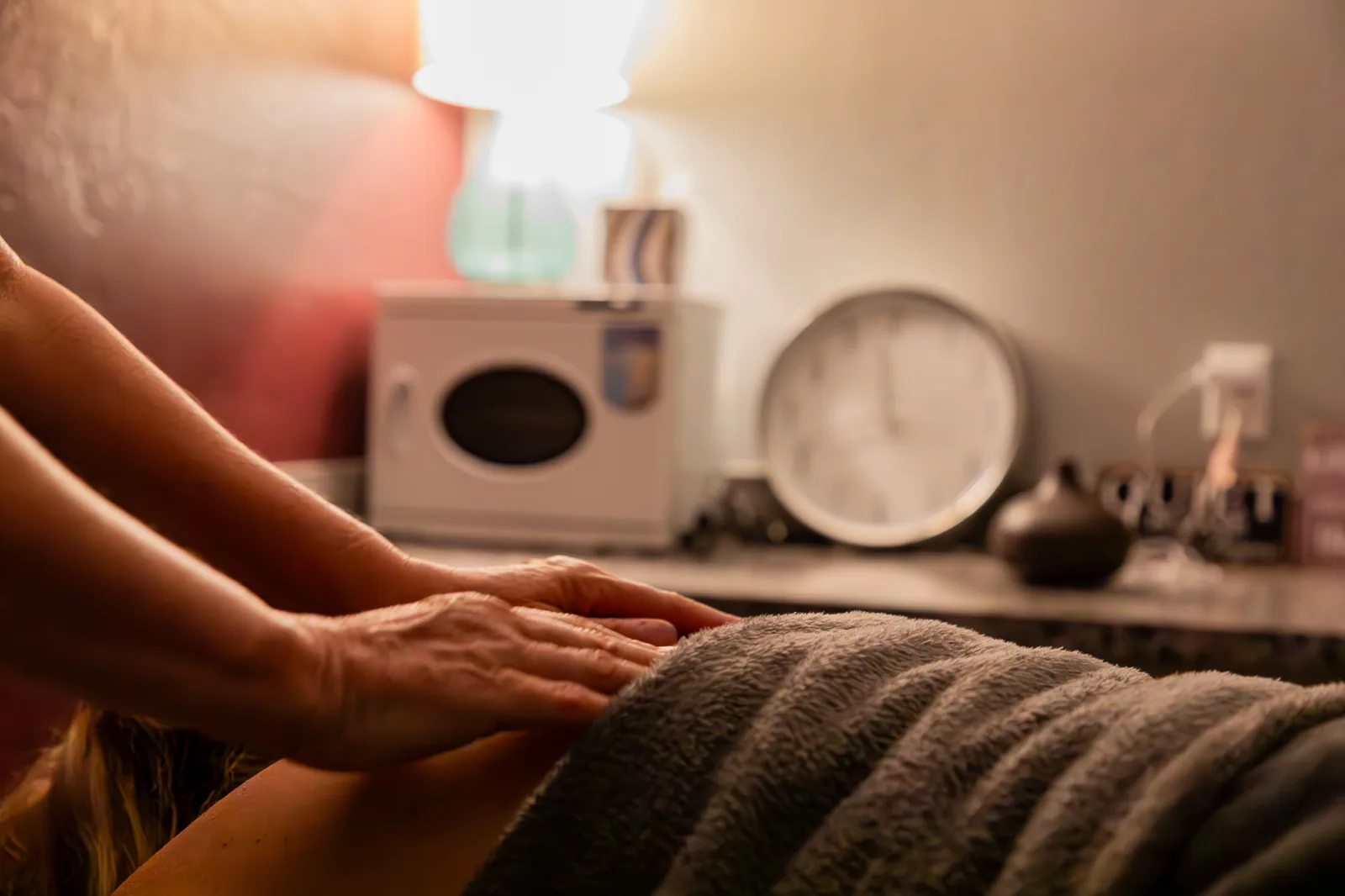
Both kinds are treated the same way at Ryder: find the joint that is not moving and the muscle that is compensating, restore the motion, calm the tissue, and change the load. Sports injury acupuncture in Scottsdale is used for the inflamed tendon and for recovery. Sports massage and chiropractic near me is one of the more common searches that lands here, because the two live on the same hallway: massage before the adjustment, taping after. Kinesio taping in Scottsdale for an athlete is applied to support a joint or cue a muscle so training can continue.
If you are searching for a sports chiropractor near me, or a sports medicine chiropractor near me, from Old Town, Tempe, the Papago trails or the 101 corridor, the office is on Scottsdale Road between McDowell and Thomas.
- What we see most
- Runner's knee, shin splints, rolled ankles, hamstring and calf strains, golfer's and lifter's backs, throwing and swimming shoulders, tennis and golfer's elbow
- Common causes
- Training volume jumps, a stiff joint loading the one next to it, muscle imbalance, a fall or a collision
- What we use
- Adjustments, acupuncture, sports massage, kinesio taping, load and technique advice
- First visit
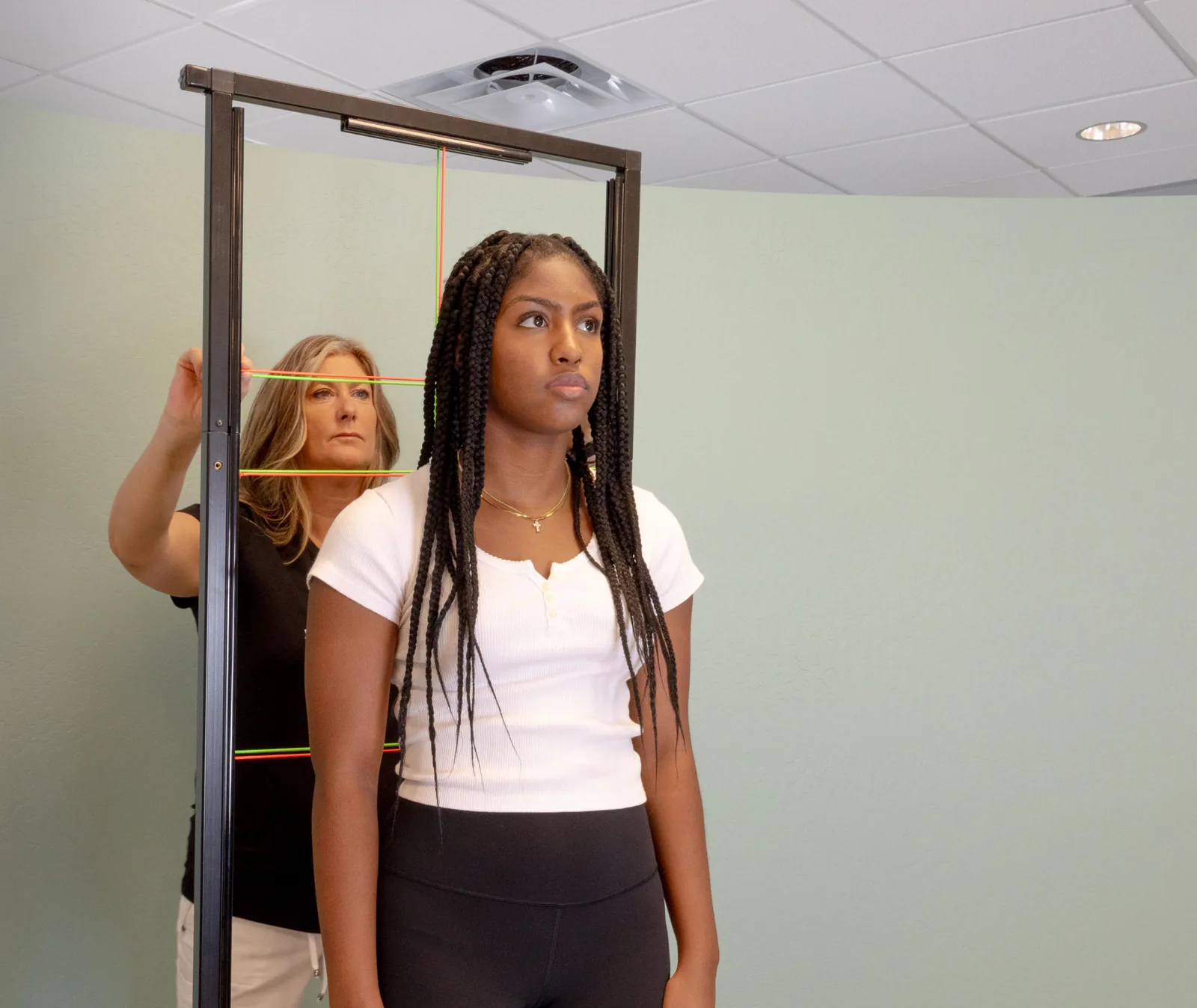
- History of the sport and the injury, movement screen, exam, explanation, first treatment when appropriate
What is going on
Why overuse injuries land where they do
A body moving well spreads load across many joints and muscles. Stiffen one joint, a hip after years at a desk, an ankle after an old sprain, a mid back rounded over handlebars, and the joint next to it moves more to compensate. The tissue crossing that overworked joint is what fails: the kneecap tendon, the plantar fascia, the low back, the shoulder cuff. Rest calms the symptom; it does not restore the stiff joint, which is why the injury comes back when training resumes.
The exam finds the stiff link. Adjustments restore its motion. Sports massage releases the muscle that has been compensating. Acupuncture settles the overloaded tendon and speeds recovery between sessions. Taping supports the joint so you can keep training at a modified load while the pattern changes. The plan is written around your season, not against it.
Symptoms
What athletes come in with
The injuries we see most:
- Knee pain on the run
- Shin splints
- A rolled ankle that stays weak
- Hamstring or calf strain
- Low back tight after lifting or cycling
- Shoulder pain throwing or swimming
- Elbow pain from golf or racquet sports
- Hip pinch in squats
- Heel pain on morning runs
- A niggle that returns every time you ramp up
Sudden severe pain with a pop, or a joint you cannot load, needs imaging first.
How we treat it
How we treat sports injuries
Restore the motion, calm the tissue, keep you training.
Chiropractic
Adjustments to the stiff joint driving the overload, from the foot to the neck, and kinesio taping to support the injured area during training.
Acupuncture
Points at the overloaded tendon or strained muscle to settle inflammation and speed recovery, often with electroacupuncture.
Sports massage
Pre-event, post-event and maintenance work on the muscles doing the compensating, scheduled around your training and around the adjustment.
Your visit
What a first visit for a sports injury is like
During the visit
- Your sport, your training week, when it hurts, what changed before it started.
- A movement screen, exam of the injured area and the joints above and below it.
- A plain-language explanation of the stiff link and the overloaded tissue.
- First treatment when appropriate, often including taping.
After the visit
- Overuse injuries change over a short course as the stiff joint moves again; acute strains follow tissue healing time.
- A modified training plan for now, and one or two movements to restore the pattern.
- A re-check at every visit, timed to your season.
Causes
What commonly causes it
What loads the wrong tissue.
Volume jumps
Mileage, sets or sessions up faster than tissue adapts.
A stiff joint
Hip, ankle or mid back loading its neighbour.
Muscle imbalance
Strong quads, weak glutes; tight pecs, weak back.
An old injury
Motion lost in a sprain years ago.
Technique
A swing, a stride, a lift pattern.
A fall or collision
The acute ones.
When to come in
When to see us, and when to see a doctor first
Good reasons to book
- An overuse injury that returns every time you ramp up training.
- A strain or sprain you want to recover from without losing the season.
- A stiff joint that is changing your form.
- Pre-season maintenance for a known weak spot.
- An injury treated with rest alone that came back.
See a doctor first if
- You heard a pop and the joint swelled quickly.
- You cannot bear weight or load the joint at all.
- The area is deformed, or numbness is spreading.
- A head impact with any confusion, headache or nausea.
If the exam points to a tear or a fracture that needs imaging, Dr. Tracey will say so and refer you.
Real questions
What athletes ask.
Searched in Scottsdale Can I get sports massage and a chiropractor near me in the same visit?
Yes, here. Licensed massage therapists work on the same hallway as Dr. Tracey, so a sports massage can be scheduled right before the adjustment, and taping applied after. One plan, one front desk.
Do I have to stop training?
Usually not entirely. The plan modifies load and uses taping so you can keep training while the stiff joint regains motion and the tissue settles. Full rest is reserved for acute injuries in their first days.
Does kinesio taping actually do anything?
It supports a joint and cues the muscles around it during activity, which lets you train at a modified load while the underlying pattern changes. It is a bridge, not the treatment.
Can acupuncture speed recovery?
It settles inflamed tendons and strained muscle and is used here between sessions for recovery, often with electroacupuncture for stubborn spots.
Do you treat kids and teens in sport?
Yes. Dr. Tracey is ICPA certified in pediatric care and treats club and school athletes. See the pediatric page.
( Book )
Book a visit for a sports injury
Call the office or request an appointment online. Tell us where it hurts and how long it has been going on, and we will set up the right first visit.
- Monday
- 8:30 AM to 6 PM
- Tuesday
- 8:30 AM to 12 PM
- Wednesday
- 8:30 AM to 6 PM
- Thursday
- 2 to 6 PM
- Friday
- 8:30 AM to 6 PM
- Saturday to Sunday
- Closed
Directions in Google Maps
Prefer to talk? Call (480) 900-5280.