

Shoulder and rotator cuff pain treatment.
A shoulder pain chiropractor in Scottsdale who looks at the shoulder blade, the upper back and the neck as well as the joint, because the shoulder rarely fails on its own. Dr. Tracey Ryder treats rotator cuff strain, impingement and frozen shoulder conservatively.
- In practice since 2003
- Chiropractic, acupuncture and massage in one plan
- Old Town Scottsdale, Scottsdale Road
- 4.9 from 75 Google reviews
What it is
What a chiropractor for shoulder pain examines
The shoulder is the most mobile joint in the body and the least stable, held together by the four rotator cuff muscles and steered by the shoulder blade sliding on the ribcage. When the upper back is rounded and the shoulder blade sits forward, the space under the point of the shoulder narrows, the cuff tendons get pinched with every reach, and the tendon frays. That is impingement, and it is behind most of the shoulder pain that comes in here. A cuff strain is the same tendon, overloaded once. Frozen shoulder is the joint capsule itself tightening, often for no clear reason, until the arm will barely lift.
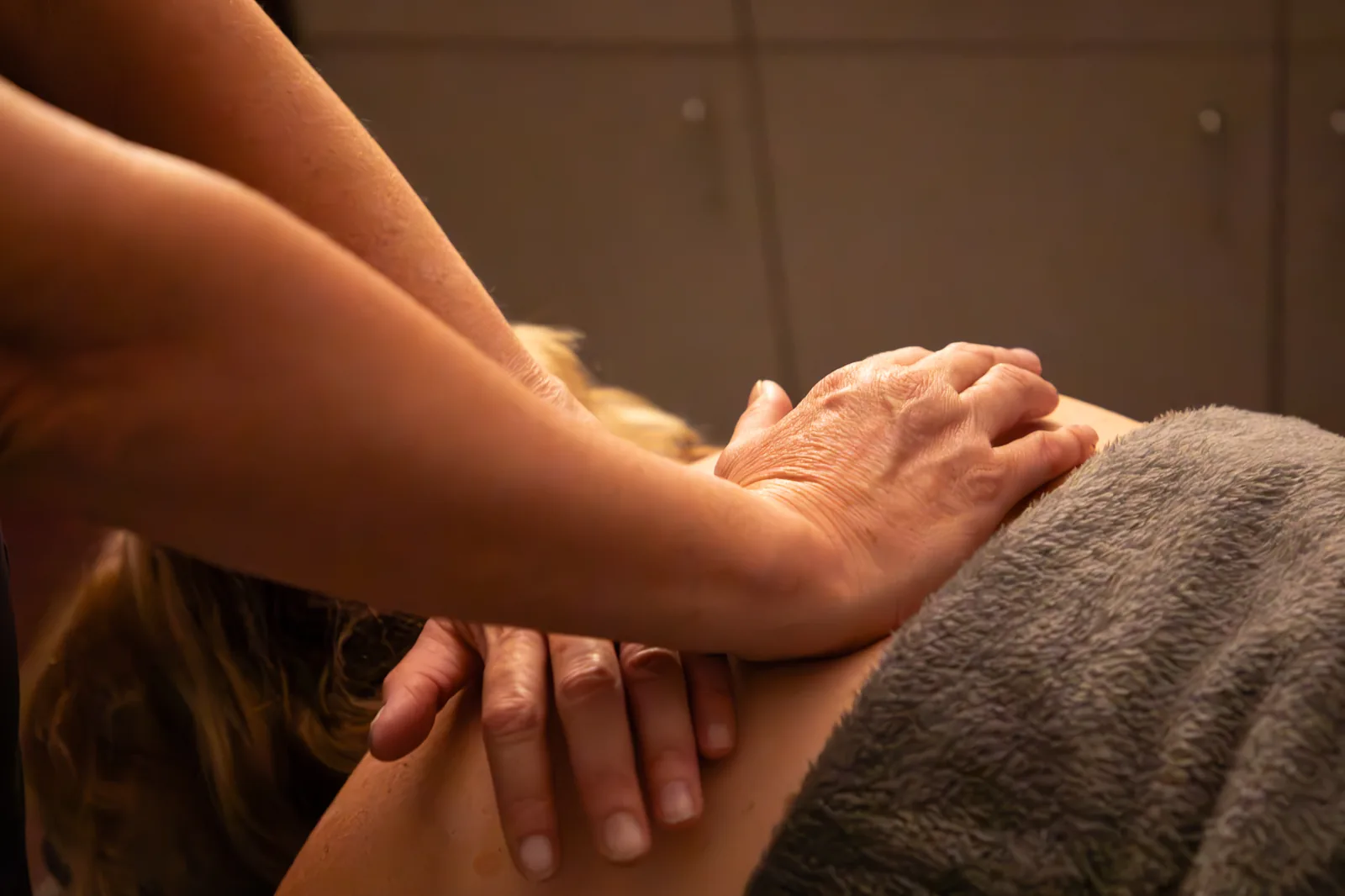
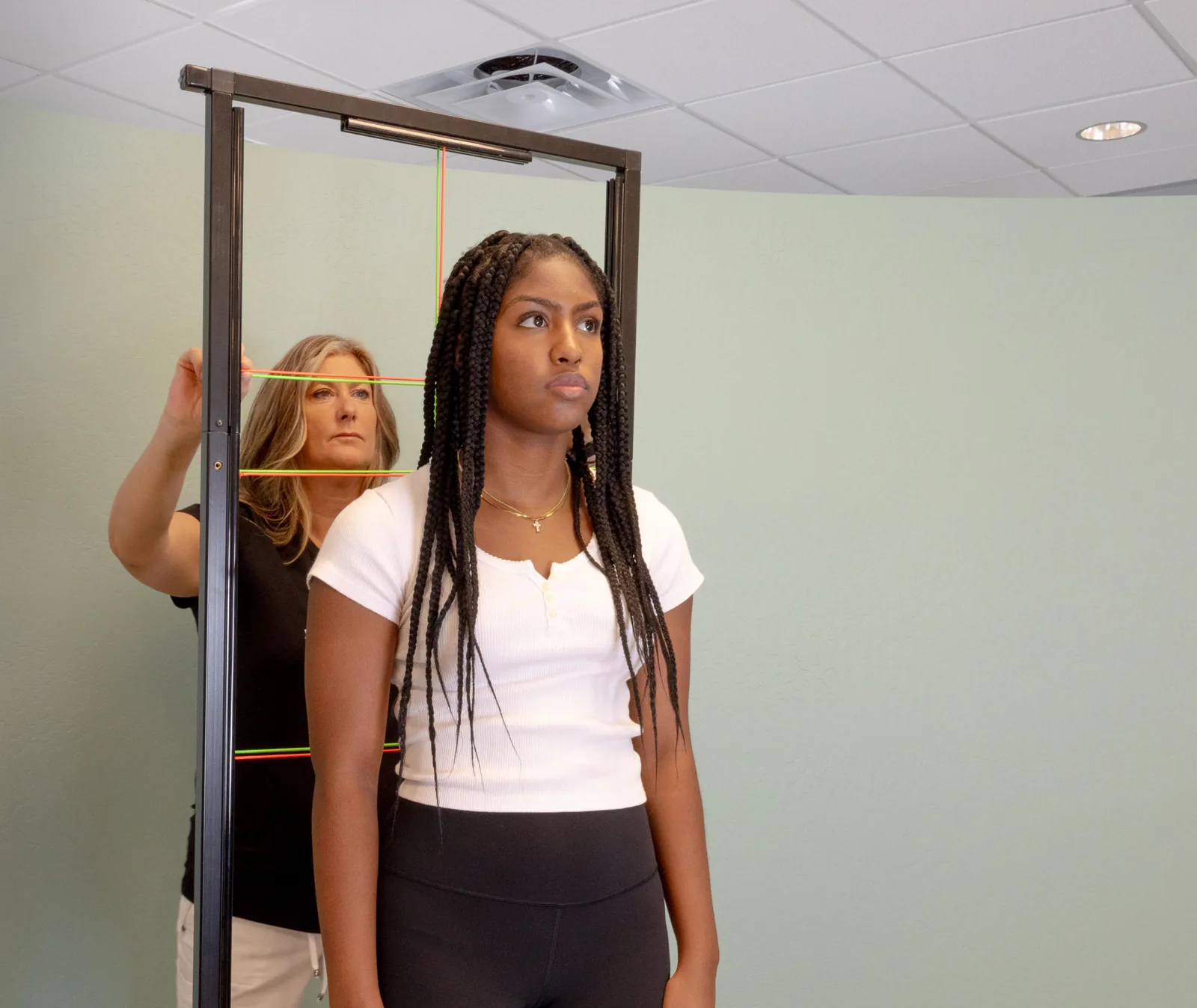
A rotator cuff chiropractor in Scottsdale checks all of it: how the arm moves, where it catches, how the shoulder blade tracks, whether the upper back extends, and whether the neck is referring pain or irritating the nerves that supply the cuff. Then the shoulder, the shoulder blade, the upper back and the neck are treated together. Acupuncture for shoulder pain in Scottsdale is booked here for the cuff and for frozen shoulder; massage works the pecs and the cuff itself.
If you are searching for a shoulder pain chiropractor near me, or a frozen shoulder chiropractor near me, from Old Town, Tempe or south Scottsdale, the office is on Scottsdale Road between McDowell and Thomas.
- Where it hurts
- The point of the shoulder, the outer upper arm, the back of the shoulder; worse reaching overhead or behind
- Common causes
- Rounded upper back, repetitive overhead work, a fall, sleeping on it, a stiff neck, frozen shoulder
- What we use
- Shoulder and upper back adjustments, acupuncture, massage of the cuff and pecs, taping
- First visit
- History, shoulder, shoulder blade, upper back and neck exam, strength tests, explanation, first treatment when appropriate
What is going on
Why the shoulder blade matters more than the shoulder
Lift your arm overhead and two-thirds of the motion comes from the ball in the socket, one-third from the shoulder blade rotating up on the ribcage. If the shoulder blade cannot rotate, because the upper back is rounded and the muscles that move it are weak or tight, the ball has to do all the work, and the cuff tendons get pinched under the bony arch above them with every reach. Over months the tendon frays and the bursa beneath it swells. Fix the shoulder blade and the upper back, and the pinching stops.
Adjustments restore motion to the upper back and the shoulder joint. Acupuncture settles the inflamed tendon and, for frozen shoulder, the capsule. Massage releases the pecs and the cuff so the shoulder blade can sit back where it belongs. Kinesio taping supports the blade between visits. Rotator cuff injury treatment without surgery is the norm for strains and impingement; full-thickness tears are referred.
Symptoms
What people come in with
Shoulder problems tend to look like this:
- Pain reaching overhead
- Pain reaching behind the back
- A catch or pinch at one point in the arc
- Ache in the outer upper arm
- Pain lying on that side at night
- Weakness lifting the arm
- Clicking in the shoulder
- A shoulder that is slowly freezing
- Neck stiffness with the shoulder pain
- Pain after a fall on the arm
Sudden weakness after an injury, or an arm you cannot lift at all, needs imaging first.
How we treat it
How we treat shoulder and rotator cuff pain
The joint, the shoulder blade, the upper back and the neck, in one plan.
Chiropractic
Adjustments to the upper back and the shoulder joint, work on how the shoulder blade tracks, and kinesio taping to hold the blade back between visits.
Acupuncture
Points around the cuff, the shoulder blade and the neck for the inflamed tendon, and a longer course for frozen shoulder.
Massage
Release of the pecs and the front of the shoulder that pull the blade forward, and direct work on the cuff muscles and the muscles that steer the blade.
Your visit
What a first visit for shoulder pain is like
During the visit
- How it started, where it catches, what you cannot do, whether the neck is involved.
- Range and strength tests, exam of the shoulder blade, upper back and neck.
- A plain-language explanation of what is being pinched and why.
- First treatment when appropriate.
After the visit
- Impingement and strains change over a short course; frozen shoulder takes longer and the plan says so up front.
- One or two shoulder blade exercises, and what to avoid for now.
- A re-check at every visit, and imaging or a referral if weakness points to a tear.
Causes
What commonly causes it
What narrows the space the cuff needs.
Rounded upper back
Desk posture pulls the shoulder blade forward.
Overhead work
Painting, lifting, swimming, throwing.
A fall on the arm
Cuff strain or worse.
Sleeping on it
Hours of compression every night.
A stiff neck
Irritates the nerves that supply the cuff.
Frozen shoulder
The capsule tightens, often after a period of not moving it.
When to come in
When to see us, and when to see a doctor first
Good reasons to book
- Shoulder pain reaching overhead or behind the back.
- A cuff strain or impingement you want treated before considering injections or surgery.
- A shoulder that is slowly losing motion.
- Shoulder pain with neck stiffness.
- Shoulder pain treated elsewhere without lasting change.
See a doctor first if
- You cannot lift the arm at all after an injury.
- The shoulder looks deformed or is severely swollen.
- There is fever with the shoulder pain.
- Shoulder pain with chest pain or shortness of breath.
If the exam points to a full tear or something we should not treat, Dr. Tracey will say so and refer you.
Real questions
What people ask about shoulder pain.
Searched in Scottsdale Is rotator cuff injury treatment without surgery realistic?
Most can. Cuff strains, tendinitis and impingement respond to conservative care that restores how the shoulder blade and upper back move, settles the tendon and releases the muscles pulling the shoulder forward. Full-thickness tears with weakness are the exception, and the strength tests at the first visit look for them.
Can a chiropractor help frozen shoulder?
Yes, as part of a longer plan. Frozen shoulder is the joint capsule tightening, and it responds to a combination of gentle joint work, acupuncture and movement over months rather than weeks. Dr. Tracey will tell you what stage it is in and what is realistic.
Why does my shoulder hurt at night?
Lying on the shoulder compresses the cuff and the bursa for hours. It is a classic sign of impingement. Sleeping position is one of the first things we change.
Is it my shoulder or my neck?
Often both. The neck supplies the nerves to the cuff, and a stiff lower neck can refer pain to the shoulder or weaken the cuff. The first visit examines both and treats whichever are contributing.
Does acupuncture help shoulder pain?
Yes. Acupuncture for the cuff tendon and for frozen shoulder is one of the more common bookings here, and it pairs with the adjustment in the same visit.
( Book )
Book a visit for shoulder pain
Call the office or request an appointment online. Tell us where it hurts and how long it has been going on, and we will set up the right first visit.
- Monday
- 8:30 AM to 6 PM
- Tuesday
- 8:30 AM to 12 PM
- Wednesday
- 8:30 AM to 6 PM
- Thursday
- 2 to 6 PM
- Friday
- 8:30 AM to 6 PM
- Saturday to Sunday
- Closed
Directions in Google Maps
Prefer to talk? Call (480) 900-5280.