

Scoliosis care for adults and teens.
A scoliosis chiropractor in Scottsdale for the pain and stiffness a curved spine brings, in adults living with a curve and in teens being watched for one. Dr. Tracey Ryder manages the symptoms conservatively and knows when a curve needs a specialist.
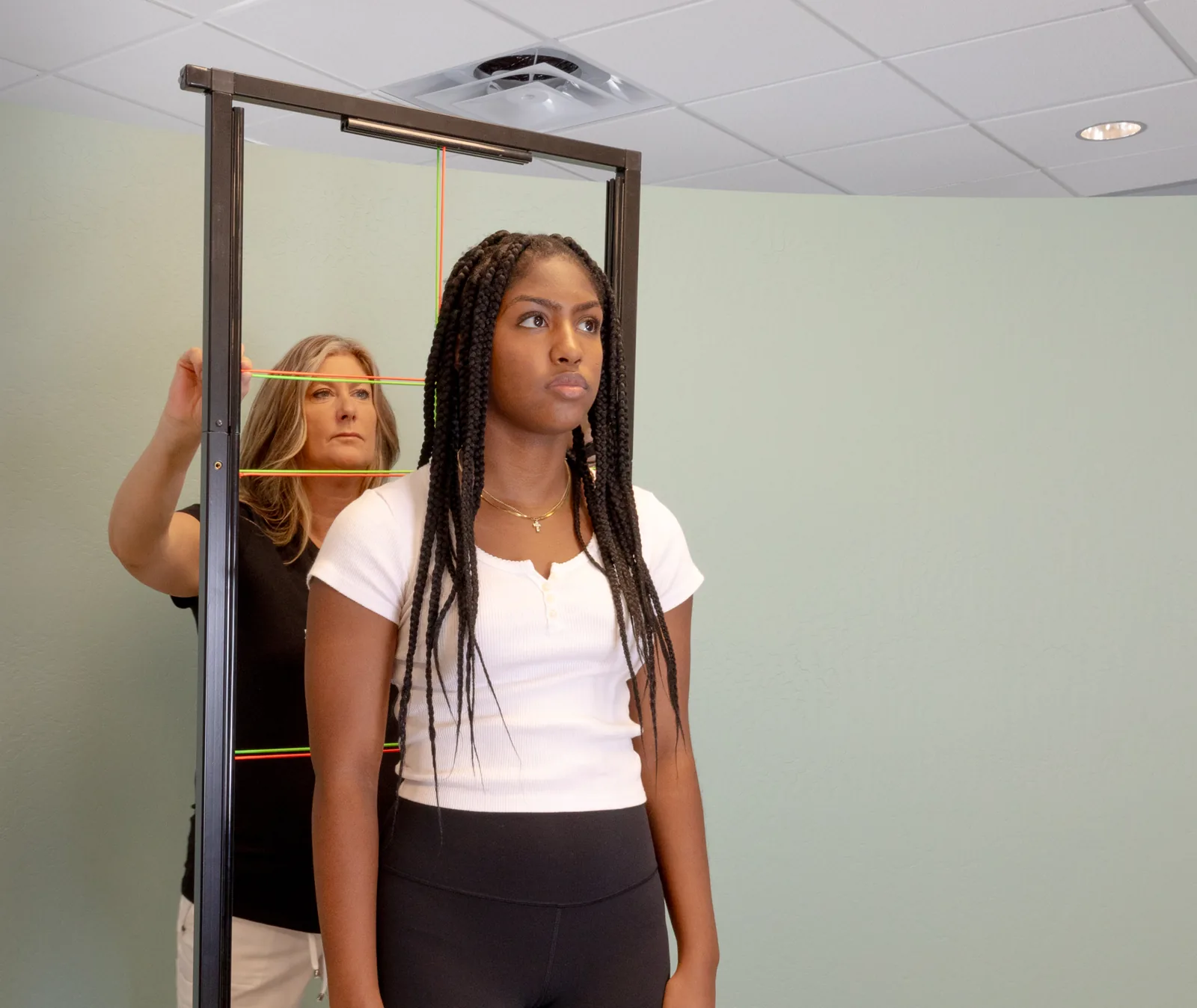
- In practice since 2003
- Chiropractic, acupuncture and massage in one plan
- Old Town Scottsdale, Scottsdale Road
- 4.9 from 75 Google reviews
What it is
What a chiropractor for scoliosis can and cannot do
Scoliosis is a sideways curve of the spine, usually with some rotation. Most cases are idiopathic, appearing in adolescence with no known cause; others develop in adulthood as discs and joints wear unevenly. A small curve may cause nothing. A larger one loads the joints and discs on the inside of the curve, tires the muscles on the outside, and produces the back pain, stiffness and uneven fatigue that bring adults in.
Chiropractic care does not straighten a structural curve, and a chiropractor who promises to should be avoided. What scoliosis treatment for adults in Scottsdale at Ryder does is manage the consequences: keep the segments moving, keep the overworked muscles from guarding, keep the pain from setting the terms of your day. For teens, care is gentle symptom management alongside monitoring by their physician, and any curve that is progressing is referred.
If you are searching for a scoliosis chiropractor near me from Old Town, Tempe or south Scottsdale, the office is on Scottsdale Road between McDowell and Thomas. Bring any X-rays or reports you already have.
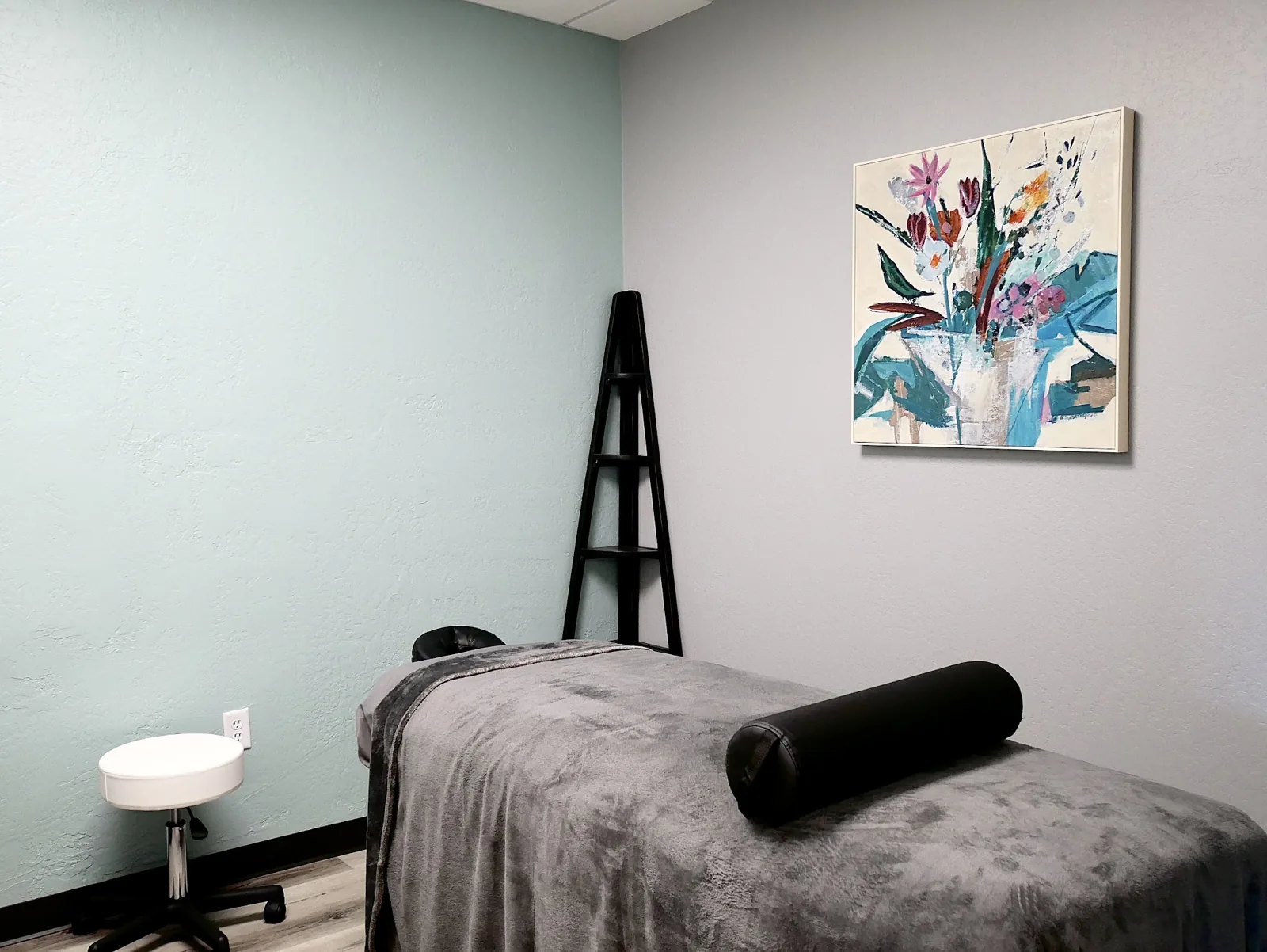
- Where it hurts
- The low back or mid back on the inside of the curve, the muscles on the outside, one shoulder or hip
- Common causes
- Idiopathic adolescent scoliosis, adult degenerative scoliosis, leg length difference
- What we use
- Gentle scoliosis adjustments, acupuncture, massage of the overworked side
- First visit
- History, standing and bending exam, review of imaging, explanation, first treatment when appropriate
What is going on
Why a curve hurts, and why it need not
In a curved spine the joints on the concave side are compressed and stiffen, the discs there take uneven load, and the muscles on the convex side work all day to hold the trunk up. Over years the stiff side gets stiffer and the tired side gets tighter, and the curve can slowly increase in adults as the discs wear. Pain tends to come from the compressed joints and the exhausted muscles, not from the curve itself.
A scoliosis adjustment chiropractor works the stiff segments to keep them moving, which spreads the load. Acupuncture and massage address the muscle on the working side. The aim is a spine that moves as well as its shape allows, and a patient who is not organizing life around the pain.
Symptoms
What people come in with
How scoliosis tends to show up in adults and teens:
- One shoulder higher than the other
- Uneven hips or waist
- Back pain on one side
- Stiffness in the mid or low back
- Fatigue on one side by afternoon
- Clothes that hang unevenly
- Rib prominence on bending
- Pain after standing long
- Reduced twist to one side
- A curve noticed at a school screening
Adults with a known curve and new pain are the most common booking.
How we treat it
How we treat scoliosis
Symptom management, honestly framed: motion, muscle and pain, not curve correction.
Chiropractic
Gentle, specific adjustments to the stiff segments on the compressed side of the curve, manual or instrument, to keep the spine moving and spread the load.
Acupuncture
Points along the overworked muscles on the convex side and the compressed joints on the concave side for pain and guarding.
Massage
Work on the muscle that holds the trunk up all day, and on the stiff side to free the tissue around the compressed joints.
Your visit
What a first visit for scoliosis is like
During the visit
- When the curve was found, what imaging exists, where it hurts and what the pain stops you doing.
- Standing and forward-bending exam, motion checks, hands-on exam of the whole spine and pelvis.
- A plain-language explanation of what the curve is doing and what care can and cannot change.
- First treatment when appropriate.
After the visit
- Care for scoliosis is ongoing rather than a short course; the plan is spaced to what keeps you comfortable.
- Movement advice and, for teens, coordination with the monitoring physician.
- A re-check at every visit, and a referral if a curve appears to be progressing.
Causes
Types and contributors
Where curves come from.
Idiopathic
Appears in adolescence, cause unknown. The most common type.
Degenerative
Develops in adulthood as discs and joints wear unevenly.
Leg length difference
A tilted pelvis produces a compensating curve.
Congenital
Present from birth; managed by a specialist.
Muscle imbalance
One-sided work or sport over years.
Prior injury or surgery
Changes how load passes through the spine.
When to come in
When to see us, and when to see a specialist first
Good reasons to book
- An adult with a known curve and back pain or stiffness.
- A teen with a mild, monitored curve and back discomfort.
- Uneven shoulders or hips with pain on one side.
- Scoliosis-related pain treated elsewhere without lasting change.
See a specialist first if
- A teen's curve has not yet been evaluated or imaged, or appears to be progressing.
- There is numbness, weakness, or bladder or bowel change.
- Breathing is affected.
- The curve has been recommended for bracing or surgery and that decision is pending.
If anything in the exam points to a curve that needs a specialist, Dr. Tracey will say so and refer you.
Real questions
What people ask about scoliosis.
Searched in Scottsdale Can a chiropractor help scoliosis?
A chiropractor can help the pain, stiffness and muscle fatigue that come with scoliosis, and keep the spine moving as well as its shape allows. A chiropractor cannot straighten a structural curve, and any promise to do so should be treated with suspicion. Dr. Tracey manages symptoms and refers curves that need a specialist.
Is it safe to adjust a spine with scoliosis?
Yes, with gentle, specific techniques chosen after an exam and a look at any imaging. Adjustments target the stiff segments rather than forcing the curve, and instrument adjusting is available for anyone who prefers no twisting.
My teenager has a curve. Should they see a chiropractor?
For comfort and mobility, alongside monitoring by their physician, yes. Dr. Tracey is ICPA certified in pediatric care. Progression and bracing decisions belong to the specialist, and we coordinate with them.
Will the curve get worse?
Adult curves can slowly progress as discs wear, and some adolescent curves progress during growth. Keeping the spine moving and the muscles balanced is part of managing that, but monitoring by imaging is what tracks it. Bring your X-rays and we will read them with you.
Does massage help scoliosis?
It helps the muscles that hold the trunk up all day on the convex side and the tight tissue on the compressed side. Most scoliosis plans here include it.
( Book )
Book a visit for scoliosis
Call the office or request an appointment online. Tell us where it hurts and how long it has been going on, and we will set up the right first visit.
- Monday
- 8:30 AM to 6 PM
- Tuesday
- 8:30 AM to 12 PM
- Wednesday
- 8:30 AM to 6 PM
- Thursday
- 2 to 6 PM
- Friday
- 8:30 AM to 6 PM
- Saturday to Sunday
- Closed
Directions in Google Maps
Prefer to talk? Call (480) 900-5280.